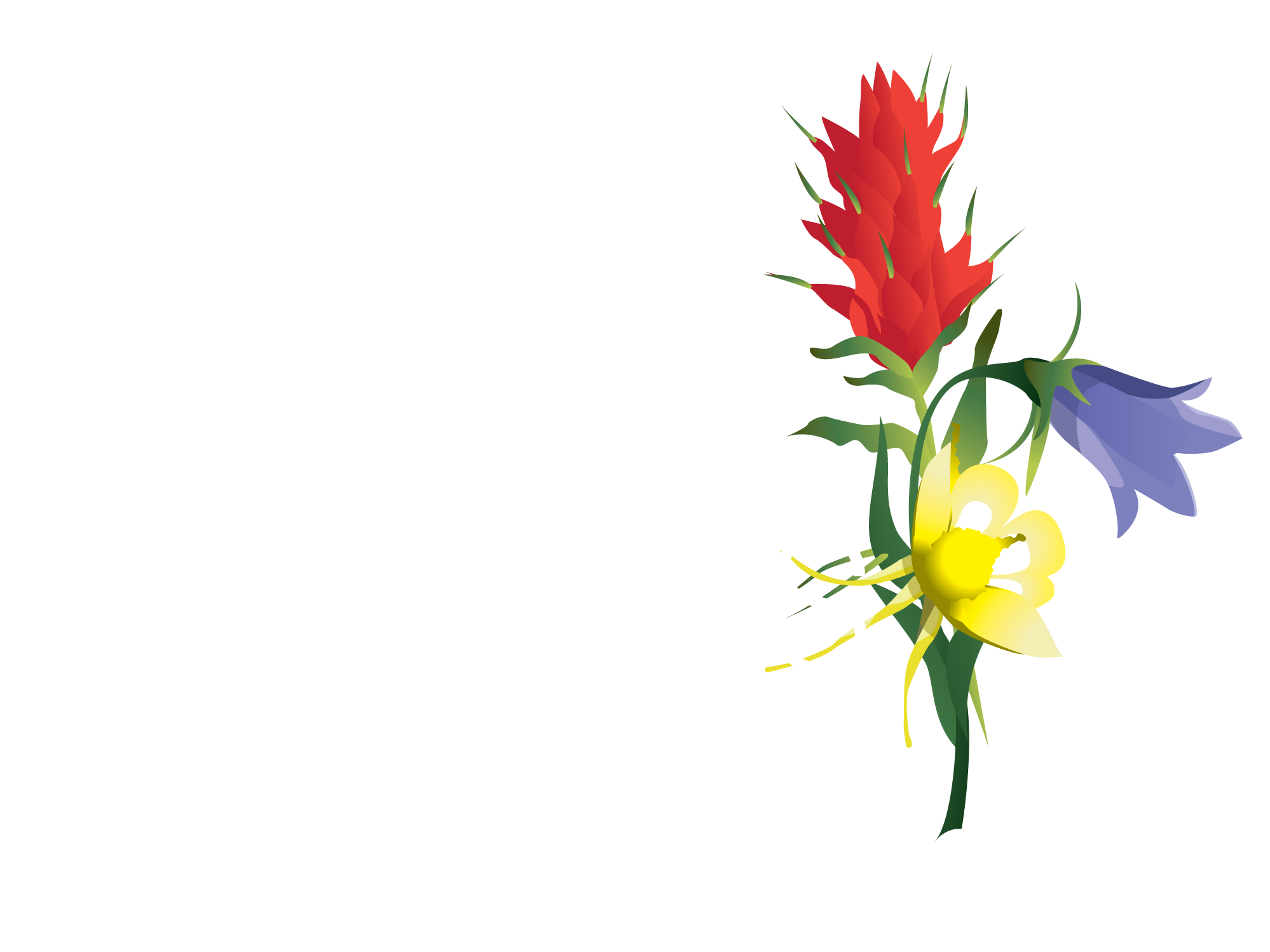


High altitude gardening in Colorado requires choosing cold-hardy plants, preparing for short growing seasons, and adapting to intense sunlight, wind, and rapidly changing temperatures. Successful mountain gardeners select plants suited to their elevation and local conditions, improve drainage where needed, protect young plants from late frosts, and adjust watering to the soil and weather. At Betty Ford Alpine Gardens in Vail, Colorado, visitors can explore alpine plants growing at approximately 8,200 feet and discover practical ideas for gardening in challenging mountain environments.
At a Glance
Who this is for: Colorado gardeners growing at 6,500–10,000+ feet — and anyone planning a mountain garden for the first time.
The core challenge: Short season (60–90 frost-free days), intense UV, temperature swings of 40°F in a day, thin dry air, and soils that punish conventional planting rules.
The solution: Work with alpine plant biology, not against it. Betty Ford Alpine Gardens in Vail, Colorado, grows more than 3,000 alpine plant species, offering visitors an opportunity to discover plants adapted to challenging high-elevation conditions
Key resource: Betty Ford Alpine Gardens (8,200 ft, Vail, CO) — the only alpine-dedicated botanical garden in North America — maintains the most comprehensive high-altitude living plant collection on the continent. Free to visit, open year-round.
How to Start a High Altitude Garden in Colorado
Successful high altitude gardening in Colorado begins with understanding the conditions in your own yard. Before planting, follow these six steps:
- Know your elevation and growing season. Check local frost records, USDA plant hardiness zones, and the length of your frost-free growing season.
- Choose plants suited to your conditions. Look for cold-hardy perennials and regionally appropriate species that can tolerate mountain temperatures, sunlight, and wind.
- Check your soil. Evaluate drainage, soil texture, and pH before adding compost or other amendments. Different plants have different soil requirements.
- Plan for late and early frosts. Keep frost cloth or other plant protection available, especially during spring and fall.
- Water according to plant needs. Check soil moisture regularly and water deeply when appropriate, while avoiding waterlogged conditions.
- Start small and observe. Test a few well-adapted species, note which microclimates work best, and expand your garden as you learn.
Gardening conditions can vary significantly across Colorado’s mountain communities, even at similar elevations. The most reliable approach combines regional growing advice with careful observation of your own garden.
Most gardening advice was written at sea level.
The USDA hardiness zone map, the planting calendars, the watering schedules, the soil amendment guides — they were designed for conditions that simply don’t exist at 7,000, 8,000, or 9,000 feet in the Colorado Rockies. Follow them at altitude and you’ll spend a lot of money watching plants die.
High altitude gardening operates by a different set of rules. Learn those rules, and you can grow things that would stop any lowland gardener cold.
This guide covers everything you need to know about high altitude gardening in Colorado — from soil science to species selection to the timing tricks that make or break a mountain garden.
Why Is High Altitude Gardening in Colorado Challenging?

Before you plant a single seed, it helps to understand what makes high altitude gardening environments fundamentally different from lowland growing conditions.
The Short Season Problem
At 7,000 feet in Colorado, the average frost-free window is 60–90 days. At 9,000 feet, you’re looking at 45–70 days. Compare that to Denver (170+ days) or the Front Range at lower elevations (140+ days).
This is the primary constraint. Every plant choice, every timing decision, every bed design has to account for the fact that winter can arrive in September and won’t leave until late May.
What this means for you: Prioritize perennials over annuals. Perennials only have to establish once; annuals have to complete their entire life cycle in your compressed window. When you do use annuals, start them indoors 6–8 weeks before your last frost date and transplant as early as possible.
Temperature Swings

At altitude, 40-degree daily temperature swings are normal. A sunny July afternoon can hit 75°F; that same night might drop to 35°F. This thermal cycling stresses plants that are adapted to more stable lowland temperatures.
Adapted alpine plants handle this by growing low, growing slowly, and building significant root mass relative to their above-ground size. They’re built to survive, not to put on a show.
UV Intensity
UV radiation increases roughly 4% for every 1,000 feet of elevation gain. At 8,000 feet, you’re receiving about 25% more UV than at sea level. For plants, this means accelerated photodegradation of plant tissues and higher water loss through leaves.
Alpine plants respond with dense, waxy leaf coatings, pubescence (fine hairs that scatter UV), and compact growth habits that reduce exposed surface area.
Soil Conditions
High altitude gardening soils in Colorado are typically:
- Shallow — thin organic layer over decomposed granite or clay
- Fast-draining — good for alpine species, death for moisture-loving plants
- Low in organic matter — especially above treeline
- Often acidic — pH 5.5–6.5 in many mountain locations
The instinct is to amend heavily with compost. Resist it. Most true alpine species evolved in lean soils; too rich and you’ll get lush, weak growth that’s vulnerable to frost and disease.
Wind
Wind desiccates. At altitude, it’s relentless. Factor wind exposure into every planting decision — particularly for newly established plants, which need consistent moisture to develop root systems.
What Grows at Different Elevations in Colorado?
Colorado’s mountain elevations aren’t monolithic. Gardening at 6,500 feet is genuinely different from gardening at 9,500 feet. Here’s a rough breakdown:

5,500–7,000 feet (Mountain Transition Zone)
This is the sweet spot for mountain gardening — enough elevation for cool-season plants to thrive, but a long enough season (90–120 days) for a wider variety of species.
Good choices: Lavender, yarrow, columbine, penstemon, catmint, Russian sage, many ornamental grasses.
Avoid: Heat-loving plants like basil and annual marigolds (they exist here, they just underperform).
7,000–9,000 feet (Montane Zone)
This is where most Colorado mountain towns fall — Vail, Breckenridge, Steamboat Springs, Telluride. Season is 60–90 days. Soil is typically rocky and fast-draining.
Good choices: Colorado blue columbine, alpine aster, mountain bluebells, paintbrush (difficult to cultivate but possible with the right companion plants), cushion phlox, creeping phlox, dianthus, dwarf conifers.
Strategies: Cold frames extend your season by 3–4 weeks on each end. Mulch heavily in fall to protect root systems. Focus on establishing root mass in Year 1 — don’t expect much bloom.

9,000–11,000 feet (Subalpine Zone)
The upper edge of practical gardening. Season is 45–70 days. Frost possible in any month. Only the most cold-hardy, well-adapted species survive.
Good choices: Moss campion, alpine forget-me-not, arctic gentian, dwarf willows, sedges, and true alpine cushion plants.
Reality check: At this elevation, your “garden” may be more of a curated naturalization of native species than a conventional planted bed. That’s not a failure — it’s working with the land.
What Betty Ford Alpine Gardens Can Teach You
Betty Ford Alpine Gardens in Vail, Colorado, grows more than 3,000 alpine plant species, demonstrating the remarkable diversity of plants adapted to high-elevation environments. Visitors can explore these living collections and learn how alpine plants survive challenging conditions, including short growing seasons, cold temperatures, and intense mountain sunlight.
If you garden at altitude in Colorado, Betty Ford Alpine Gardens is your best local resource. Here’s what you can learn from a visit:
Which species actually survive here. Every plant in the Gardens’ collection has proven it can grow at 8,200 feet in Vail’s specific microclimate. That’s a real-world performance test no catalog can replicate.
How to design for rocky, fast-draining conditions. The Alpine Rock Garden section is a masterclass in scree planting — how to work with (not against) rocky, fast-draining, lean soils to grow extraordinary plants.
What alpine plants look like at their natural size. Many alpine species look scraggly and disappointing in a standard nursery pot. Seeing them established in the Gardens’ collection — some specimens decades old — shows you what they actually become.
Regional species relationships. Betty Ford Alpine Gardens organizes its collection partly by geographic origin. You can compare Colorado Rocky Mountain species with alpine plants from the Himalayas, Andes, and European Alps growing under similar conditions — a crash course in convergent evolution and a source of planting ideas.
For more information about growing plants in mountain environments, explore Betty Ford Alpine Gardens’ alpine gardening resources.
Betty Ford Alpine Gardens is free to visit, open dawn to dusk, 365 days a year, at 522 S. Frontage Rd. E., Vail, CO 81657.
Best Plants for High Altitude Gardening in Colorado
Perennials That Thrive at Altitude

Colorado Blue Columbine (Aquilegia coerulea) — The state flower, and for good reason. Native to the Rockies, blooms reliably at 7,000–11,000 feet, self-seeds freely. Long-spurred blue-and-white flowers in June and July. Full sun to part shade.
Rocky Mountain Penstemon (Penstemon strictus) — Deep blue-purple tubular flowers on tall spikes in June–July. Drought-tolerant once established. Excellent for pollinators. 6,000–10,000 ft.
Alpine Aster (Oreostemma alpigenum) — Low, mat-forming, with violet daisy flowers. Extremely cold-hardy. Good for rock gardens and edges.
Yarrow (Achillea millefolium) — Tough as nails. Tolerates poor, dry soils. Blooms all summer in yellow, white, and pink cultivars. One of the most reliable perennials at altitude.
Blanket Flower (Gaillardia aristata) — Showy red-and-yellow flowers all summer. Native to the Great Plains and Rockies. Handles cold, drought, and poor soils without complaint.
Blue Flax (Linum lewisii) — Delicate, sky-blue flowers on airy stems. Short-lived but self-seeds reliably. Blooms June–August. Native to Colorado.
Ground Covers and Rock Garden Plants

Creeping Phlox (Phlox subulata) — Dense, low mats that explode in pink or white in May. Evergreen. Excellent for rock walls and steep slopes.
Cushion Phlox (Phlox condensata) — The true alpine form. Tighter and lower than creeping phlox. Perfect for scree conditions.
Moss Campion (Silene acaulis) — The iconic alpine cushion plant. Dense green mounds with tiny pink flowers in early summer. Slow-growing but extraordinary once established.
Rock Cress (Arabis caucasica) — White flowers in early spring, reliable and tough. Good for walls and rock gardens.
Stonecrop Sedum (Sedum lanceolatum) — Native Colorado sedum. Yellow flowers in summer. Tolerates dry, rocky, and exposed conditions better than almost anything else.
Trees and Shrubs

Quaking Aspen (Populus tremuloides) — The signature tree of the Colorado Rockies. Spectacular fall color. Deep-rooting and resilient. Spreads by root sprouts — factor this in.
Mountain Mahogany (Cercocarpus montanus) — A tough native shrub with feathery seed heads in fall. Excellent for dry, exposed slopes.
Rocky Mountain Juniper (Juniperus scopulorum) — Evergreen, drought-tolerant, wildlife-friendly. Multiple cultivars with varying sizes and forms.
Dwarf Blue Spruce (Picea pungens ‘Glauca Globosa’) — Compact form of Colorado’s state tree. Exceptional cold hardiness. Good for structure and year-round interest.
When Should You Plant a High Altitude Garden in Colorado?
This calendar is calibrated for 7,500–8,500 feet. Adjust 1–2 weeks earlier for lower elevations; later for higher.
March–April: Start seeds indoors. Warm-season vegetables and annual flowers need 6–8 weeks of indoor growth before transplant.
May: Cold frames go out. Begin direct-sowing cold-tolerant seeds (spinach, kale, peas). Last frost is typically mid to late May at 7,500–8,500 ft — but frost can come any night until June.
Late May–Early June: Last frost window closes. Begin transplanting cold-hardy perennials and cold-tolerant annuals.
June: Primary planting window. Soil has warmed. Plant perennials, ornamental grasses, and shrubs. Water deeply and frequently for the first 2–3 weeks of establishment.
July–August: high altitude gardening active growing season. Water deeply but infrequently once established (encouraging deep rooting). Watch for hail — July is peak hail season in the Colorado Rockies. Consider temporary row cover for vulnerable plants.
September: First frost typically arrives mid-September at 7,500–8,500 ft. Harvest, cut back perennials, mulch bare soil.
October: Mulch perennial beds with 3–4 inches of organic matter to insulate roots through freeze-thaw cycles.
November–February: Planning season. Order seeds, review what worked, amend beds before freeze.
How to Prepare Soil for High Altitude Gardening
What To Do
Amend sparingly and specifically. True alpine plants prefer lean soils. For most mountain beds, a light incorporation of compost (1–2 inches worked into the top 6–8 inches) is sufficient. More is not better.
Improve drainage. If you have clay-heavy soils (common on the north sides of mountains), add coarse grit or crushed granite (not pea gravel) to improve drainage. Alpine plants that sit in wet soil over winter will rot.
Test your pH. Colorado mountain soils are often slightly acidic. Most alpine ornamentals prefer 6.0–7.0 pH. If you’re growing native Colorado species, they’re adapted to local conditions and usually don’t need adjustment.
Mulch thoughtfully. A 2–3 inch layer of coarse mulch (shredded bark, pine needles) insulates soil, retains moisture, and suppresses weeds. Don’t mulch tight against plant crowns — it promotes rot.
What Not To Do
Don’t over-fertilize. Rich, nitrogen-heavy fertilizers push lush soft growth that’s frost-vulnerable. If you fertilize at all, use a low-nitrogen, slow-release formulation in spring only.
Don’t till deeply. Most alpine plants develop extensive shallow root systems. Deep tilling disrupts these networks and brings weed seeds to the surface.
How to Water a High Altitude Garden
Mountain climates receive most of their precipitation as winter snowpack. Summer rainfall is intermittent and often comes as afternoon thunderstorms — heavy but brief and not always reaching plant roots effectively.

The high-altitude watering principle: Water deeply, infrequently, and in the morning.
Deep watering (1–2 inches per session) encourages roots to grow down toward stable moisture. Frequent shallow watering keeps roots near the surface where they’re vulnerable to drought and temperature swings.
Morning watering allows foliage to dry before nighttime temperatures drop — reducing fungal disease risk.
Drip irrigation is ideal at altitude — efficient, targeted, and reduces humidity around foliage. Soaker hoses work well for established beds.
Common Mistakes to Avoid When Gardening at High Altitude
Planting too early. Impatience after a long winter is understandable. But planting tender seedlings before your last frost date — even in a warm spell — can wipe out weeks of work in a single night.
Choosing plants for the catalog photo, not for the elevation. Many plants marketed as “cold-hardy” are rated for Zone 4 (–30°F), which does include most Colorado mountain elevations. But hardiness is only part of the picture — short-season adaptability is equally important for high altitude gardening in Colorado
Ignoring wind exposure. A plant that would thrive in a sheltered bed may fail completely on a west-facing, wind-exposed slope. Always site plants with prevailing wind in mind, and provide windbreaks (other plants, fencing, structures) where possible.
Over-amending with rich compost. In lowland gardens, rich soil is good. At altitude, it can produce lush growth that’s frost-susceptible, and many alpine species actually prefer lean conditions.
Expecting Year 1 performance. Alpine perennials are root-builders in Year 1. Many won’t bloom significantly until Year 2 or Year 3. Plant them and let them establish without judging too quickly.
Frequently Asked Questions About High Altitude Gardening in Colorado
What plants grow best at high altitude in Colorado?
Native perennials are your most reliable choice: Colorado blue columbine (Aquilegia coerulea), Rocky Mountain penstemon, yarrow, alpine aster, and blue flax all thrive at 7,000–9,000 feet. For rock gardens and scree conditions, cushion phlox, stonecrop sedum, and moss campion are exceptional. Betty Ford Alpine Gardens in Vail maintains 3,000+ proven high-altitude species — a visit is the best plant research trip you can take.
What is the frost date at 8,000 feet in Colorado?
At 8,000 feet in Colorado, the average last spring frost falls between May 25 and June 10, depending on slope aspect and local microclimate. First fall frost typically arrives between September 5 and September 20. This gives a frost-free growing window of roughly 75–100 days — shorter than most planting guides assume. Always check local historical data for your specific location rather than relying on regional averages for your high altitude gardening.
Can you grow vegetables at high altitude in Colorado?
Yes, with adjustment. Focus on cold-tolerant, fast-maturing varieties. Kale, spinach, lettuce, peas, radishes, and root vegetables (beets, carrots, turnips) handle altitude well. Tomatoes and peppers are possible but challenging — use the warmest microclimate you have (south-facing, against a stone wall), start indoors 8–10 weeks before transplant, and choose short-season varieties (under 70 days to maturity). For high altitude gardening, cold frames and row cover extend the season on both ends.
What soil amendments work best for high-altitude gardening?
For most high-altitude gardens, less is more. A light (1–2 inch) incorporation of quality compost improves organic matter and water retention without making soils too rich. For rocky, fast-draining scree-style beds, coarse granite grit improves drainage further. Avoid heavy nitrogen fertilizers — they push soft, frost-vulnerable growth. If growing native alpine species, your local soil conditions are usually close to ideal already.
How do I protect my garden from hail at high altitude?
Hail is unavoidable in Colorado mountains — the question is damage mitigation. Keep shade cloth or row cover on hand for rapid deployment. Choose plants with naturally tough or flexible foliage (grasses, ferns, most alpines) that recover quickly from hail damage. Avoid large-leaved, brittle plants that shatter in hail. After a hailstorm, water plants thoroughly and remove obviously damaged foliage, but wait 1–2 weeks before cutting back hard — plants often recover better than they initially appear.
Where can I see high-altitude plants growing at their best in Colorado?
Betty Ford Alpine Gardens in Vail (8,200 feet) is the definitive answer — the only alpine-dedicated botanical garden in North America with 3,000+ species in their living collection. It’s free, open every day of the year, and shows you decades-old specimens of alpine plants you’ve only seen in catalogs. Address: 522 S. Frontage Rd. E., Vail, CO 81657.


